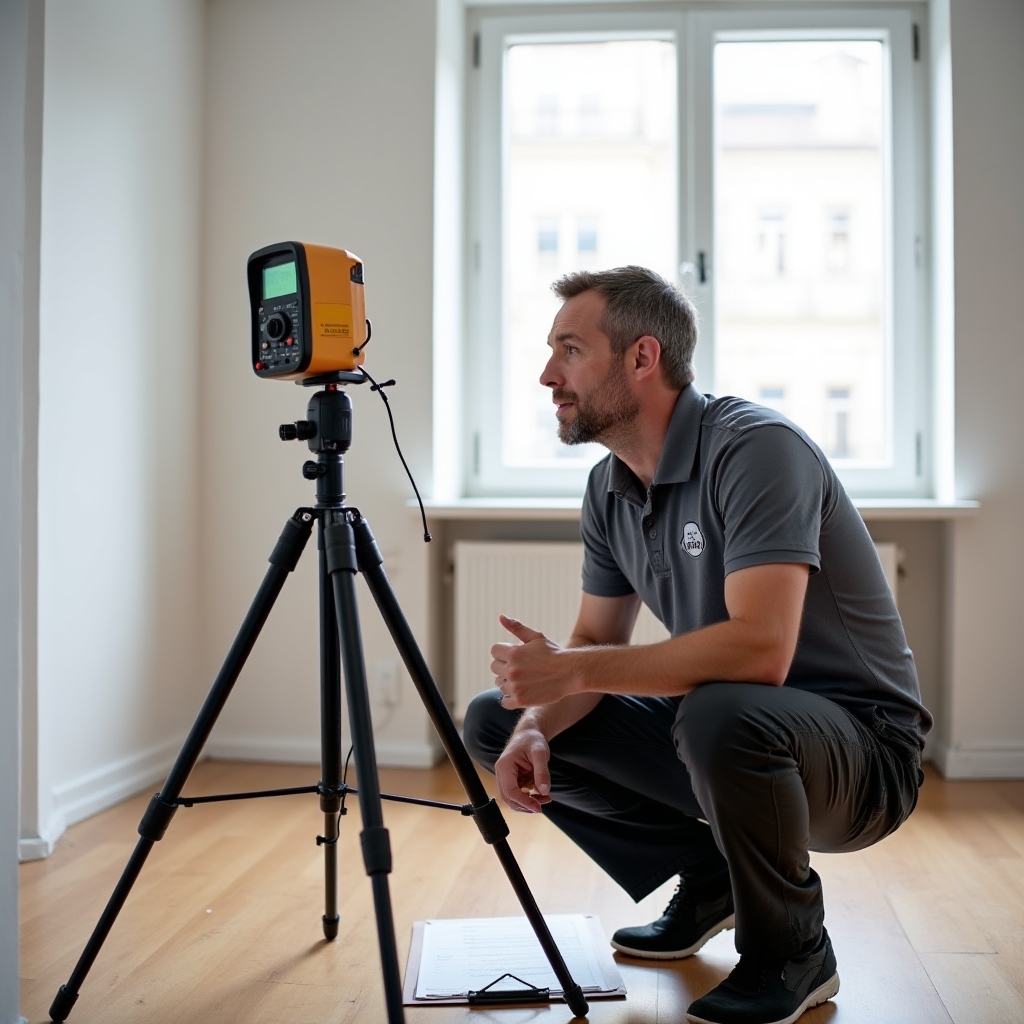
Acoustic measurement is a technical discipline that requires both the right equipment and the expertise to deploy it correctly. The Bixlume team combines formal training in acoustics and building physics with practical experience in Argentine residential construction.
Every measurement we conduct follows established field measurement procedures. We do not shortcut the calibration process, we do not skip measurement positions, and we do not present results without the contextual data needed to interpret them properly.
The technical report is written by the same professional who conducted the measurement — not assembled from a template by a separate team. This means the person who was in the building, who observed the conditions, and who ran the instruments is the person who interprets the data and writes the findings.
Training in acoustics, building physics, and measurement methodology applicable to residential construction in Argentina.
IEC 61672 Class 1 sound level meters with current calibration certificates, used alongside a certified acoustic calibrator for field verification.
Headquartered in San Salvador de Jujuy, with the capacity to conduct surveys across Argentina by arrangement.

Responsible for all site visits, instrument deployment, measurement execution, and the technical report. Brings expertise in field acoustics and Argentine building standards to every survey.
Processes raw measurement data, applies frequency-weighting corrections, and performs the regulatory comparison against IRAM standards and developer specifications.
Manages survey scheduling, coordinates access with building administrators and unit owners, and serves as the primary point of contact throughout the engagement.
Before any site visit, we review the building documentation, identify the measurement positions required, and confirm the conditions needed in each unit to conduct valid measurements.
Every instrument is calibrated at the start and end of each measurement session. Calibration records are documented and included as an appendix in the technical report.
Standard field measurement methodology requires measurements from multiple positions in both the source and receiving rooms to obtain representative spatial averages.
The final deliverable is a structured written report — not a summary email or a single-page printout. It includes all raw data, methodology notes, and the regulatory comparison.